Are you concerned about the privacy of your personal information when participating in paid online research studies?
In today’s digital age, data security is a critical issue that affects us all. Understanding the measures in place to protect your data is essential to ensure your privacy is not at risk.
In this article, you will gain insights into the importance of data security in online research studies and the measures taken to safeguard your personal information.

From encryption and secure data storage to privacy policies and consent, you will discover the steps researchers take to protect your data.
By understanding the risks and mitigation strategies involved, you can make informed decisions about your participation and ensure your privacy remains intact.
So, let’s delve into the world of data security in paid online research studies and empower ourselves to protect our privacy.
Importance of Data Security in Online Research Studies

Are you worried about the safety of your personal information when participating in online research studies? It’s understandable to have concerns about the security of your data.
With the increasing number of data breaches and privacy concerns, it is essential to address the ethical considerations surrounding online research studies.
Data breaches have become a significant issue in recent years, with hackers gaining unauthorized access to personal information of millions of individuals.

When participating in online research studies, you may be required to provide sensitive data such as your name, contact information, or even medical history.
The potential risk of this information falling into the wrong hands is a cause for concern.
Therefore, it is crucial for researchers and organizations conducting these studies to prioritize data security and take necessary measures to protect the privacy of participants.
Now, let’s delve into the subsequent section about measures to protect your personal information.
Measures to Protect Your Personal Information
One important aspect of ensuring the safety of your sensitive data in online research studies is the implementation of measures to protect your personal information. It’s crucial for research organizations to have robust security measures in place to prevent data breaches and protect against identity theft.
To paint a picture for you, here are three sub-lists that highlight the measures taken to safeguard your personal information:
Secure Data Collection: Research organizations employ encrypted data collection systems to ensure that the information you provide is transmitted securely. This encryption ensures that even if there’s a breach, the data remains unreadable and unusable to unauthorized individuals.
Restricted Access: Access to your personal information is strictly limited to authorized personnel who’ve undergone thorough background checks and are bound by confidentiality agreements. This helps minimize the risk of unauthorized access and misuse of your data.
Regular Audits and Updates: Research organizations conduct regular audits of their security systems and protocols to identify any vulnerabilities or weaknesses. They also stay up-to-date with the latest industry standards and implement necessary updates to ensure the highest level of data protection.
With these measures in place, you can have peace of mind knowing that your personal information is being handled with utmost care.
As we move into the subsequent section about encryption and secure data storage, it’s important to understand how these measures further enhance the protection of your data.
Encryption and Secure Data Storage
Implemented within research organizations, encryption and secure data storage methods fortify the protection of sensitive information. These measures ensure that your personal data is transmitted securely from your device to the research organization’s servers. Secure data transmission protocols, such as SSL (Secure Sockets Layer) or TLS (Transport Layer Security), encrypt the data as it travels over the internet, making it difficult for unauthorized individuals to intercept and access your information.
This encryption process scrambles your data into an unreadable format, and only the intended recipient with the decryption key can access and decipher it. By employing these secure data transmission techniques, research organizations minimize the risk of data breaches and unauthorized access to your personal information.
In addition to secure data transmission, research organizations also prioritize secure data storage. This involves implementing robust security measures to protect the stored data from potential threats. These measures may include firewalls, intrusion detection systems, and access controls to prevent unauthorized individuals from gaining access to the data.
Furthermore, research organizations often store data in encrypted formats, adding an extra layer of protection. In the event of a potential data breach, the encrypted data would be extremely difficult to decipher without the encryption key. By implementing encryption and secure data storage practices, research organizations work diligently to safeguard your personal information and prevent any unauthorized access or data breaches.
Transitioning into the subsequent section about ‘privacy policies and consent,’ it is important to understand how these measures work in conjunction with the research organization’s privacy policies to ensure the protection of your data.
Privacy Policies and Consent
Privacy policies and consent play a crucial role in ensuring that individuals have control over how their personal information is used and shared by research organizations. When participating in paid online research studies, it is important to carefully review the privacy policies provided by the organization conducting the study. These policies outline how your personal data will be collected, stored, and shared, and should provide clear information about any potential privacy breaches or data sharing practices. By understanding and agreeing to these policies, you can make an informed decision about whether to participate in the study and how your personal information will be safeguarded.
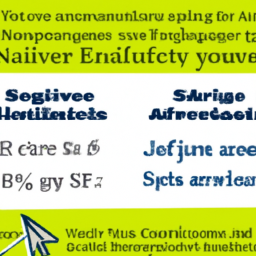
To emphasize the importance of privacy policies and consent, consider the following table:
| Privacy Policies and Consent | ||
|---|---|---|
| Control over personal information | Clear information about data collection, storage, and sharing | Protection against privacy breaches |
By having clear control over your personal information and being informed about how it will be handled, you can protect yourself against potential privacy breaches. Understanding the data sharing practices of the research organization is essential to ensure that your personal information is not shared with third parties without your consent. This table highlights the key aspects of privacy policies and consent that individuals should consider when participating in online research studies.
Moving forward, it is important to also understand the risks associated with data sharing and the mitigation strategies that can be implemented. By being aware of these risks and taking appropriate precautions, you can ensure that your privacy is protected while participating in paid online research studies.
Risks and Mitigation Strategies
To protect yourself while participating in paid online research studies, it’s important to be aware of the potential risks involved and the strategies that can be used to mitigate them. One of the main risks in online research studies is the possibility of data breaches, where unauthorized individuals gain access to sensitive information. These breaches can lead to serious consequences such as identity theft, where your personal information is used without your consent.
To mitigate these risks, research companies should have robust security measures in place, such as encryption and secure servers, to protect your data from unauthorized access. They should also have strict data protection policies and procedures to ensure that your information is handled with care and only used for research purposes.
Additionally, you can take steps to protect yourself by using unique and strong passwords, enabling two-factor authentication when available, and being cautious about the information you share online.
Moving forward to the subsequent section about ‘making informed decisions about participation’, it’s crucial to understand the risks associated with participating in paid online research studies. By being aware of the potential data breaches and identity theft, you can make informed decisions about whether to participate and which studies to join.
Making Informed Decisions about Participation
When deciding whether to participate in paid online research studies, it’s crucial to have a clear understanding of the potential risks and benefits involved. One important aspect to consider is the concept of informed consent. Informed consent means that you’ve been provided with all the necessary information about the study, including its purpose, procedures, and potential risks, before agreeing to participate.
This allows you to make an informed decision about whether or not to take part in the study. Additionally, it’s essential to be aware of your rights as a participant. These rights include the right to withdraw from the study at any time and the right to have your personal information kept confidential and secure.
To help you make an informed decision about participation, here are some key points to consider:
Understand the purpose: Before agreeing to participate, make sure you have a clear understanding of why the study is being conducted. This will help you assess whether the potential benefits outweigh the risks.
Review the procedures: Familiarize yourself with the tasks and activities you’ll be asked to complete as part of the study. Ensure that you’re comfortable with the level of involvement required.
Assess the risks: Take the time to evaluate the potential risks associated with participating in the study. Consider factors such as the type of data that’ll be collected and how it’ll be used. If you have any concerns, discuss them with the researchers before making a decision.
By being informed and understanding your rights as a participant, you can make an educated decision about whether or not to participate in paid online research studies. Remember, your privacy and security should always be a top priority, and it’s important to feel comfortable and confident in your decision.
Frequently Asked Questions
How do online research studies ensure the anonymity of participants?
To ensure the anonymity of participants in online research studies, data encryption and participant consent are used.
Data encryption is a crucial method that protects the personal information of participants by converting it into a code, making it unreadable to unauthorized individuals. This ensures that even if there is a breach in security, the data remains secure and participants’ identities are protected.
Additionally, participant consent is obtained before any data is collected, ensuring that individuals are aware of the purpose of the study and what information will be collected. This allows participants to make an informed decision about whether they want to participate and share their data.
By incorporating data encryption and obtaining participant consent, online research studies can effectively safeguard the anonymity of participants.
Are there any legal regulations in place to protect the privacy of participants in online research studies?
Yes, there are legal regulations in place to protect the privacy of participants in online research studies. These regulations ensure that participant privacy is upheld and that their personal information is kept confidential.
Legal frameworks like the General Data Protection Regulation (GDPR) in Europe and the Health Insurance Portability and Accountability Act (HIPAA) in the United States require researchers to obtain informed consent from participants, use secure data storage and transmission methods, and anonymize or de-identify personal data.
These regulations aim to safeguard participant privacy and prevent their information from being used or disclosed without their explicit consent.
What steps are taken to protect personal information during data transfer between participants and researchers?
To protect your personal information during data transfer between participants and researchers, several steps are taken.
First, data encryption is employed to ensure that your information is securely transmitted over the internet. This means that your data is converted into a code that can only be deciphered by authorized individuals.
Additionally, secure data storage is implemented to keep your information safe once it reaches the researchers’ systems. This involves using various security measures, such as firewalls and access controls, to prevent unauthorized access to your data.
By taking these precautions, the privacy of your personal information is prioritized, ensuring that it remains protected throughout the entire research study process.
Can participants access their personal data collected during the research study?
Yes, participants can access their personal data collected during the research study. Data security measures are put in place to ensure the protection of participant data. These measures include encryption, firewalls, and restricted access to the data.
With these security measures in place, participants can have peace of mind knowing that their personal information is being handled securely. Whether it’s accessing their data for personal use or verifying the accuracy of the information collected, participants have the ability to access their personal data in a safe and secure manner.
How are potential risks associated with data breaches or unauthorized access addressed in online research studies?
To address potential risks associated with data breaches or unauthorized access in online research studies, data encryption and secure server storage are employed. By encrypting the data, it becomes unreadable to anyone without the proper decryption key, ensuring that even if there is unauthorized access, the information remains protected.
Additionally, secure server storage ensures that the data is stored in a safe and controlled environment, minimizing the risk of data breaches. These measures aim to safeguard your personal information and maintain the confidentiality of the data collected during the research study.
Conclusion
In conclusion, it’s crucial for you to be aware of the potential risks to your privacy when participating in paid online research studies. By understanding the importance of data security and the measures that are in place to protect your personal information, you can make informed decisions about whether or not to participate.
Encryption and secure data storage are key components in safeguarding your data, and privacy policies and consent processes are designed to ensure that your information is handled responsibly.
While there are risks involved, it’s important to note that research organizations take data security seriously and have implemented various mitigation strategies to minimize the potential for breaches or misuse of your information. However, it’s still essential for you to carefully review the privacy policies and terms of participation before deciding to take part in any study.
By being proactive and informed, you can actively protect your privacy while still contributing to valuable research efforts.